
Cauliflower: the pale cousin with powerful benefits
Cauliflower is that quiet, pale cousin of broccoli that many of us walk past in the supermarket because we’re not sure what to do with it. It looks like a white, bumpy ball and sometimes feels “too foreign” for a regular Nigerian plate. But once you learn how to chop it, season it, and stir‑fry it with your usual veggies, it becomes one of those things you start looking out for at the market.
Just like broccoli, cauliflower is packed with vitamins, minerals, fiber, and special plant compounds that support your whole body, especially your brain. Think of it as a soft, neutral canvas that soaks up flavour, fits into Nigerian meals, and quietly upgrades your nutrition without drama.
Stir‑frying cauliflower with familiar Nigerian carbs
The most practical way to bring cauliflower into your kitchen is to treat it the way you’d treat carrots or cabbage: chop it, stir‑fry it, and let it sit beside the carbs you already enjoy.
You can:
- Stir‑fry it alone
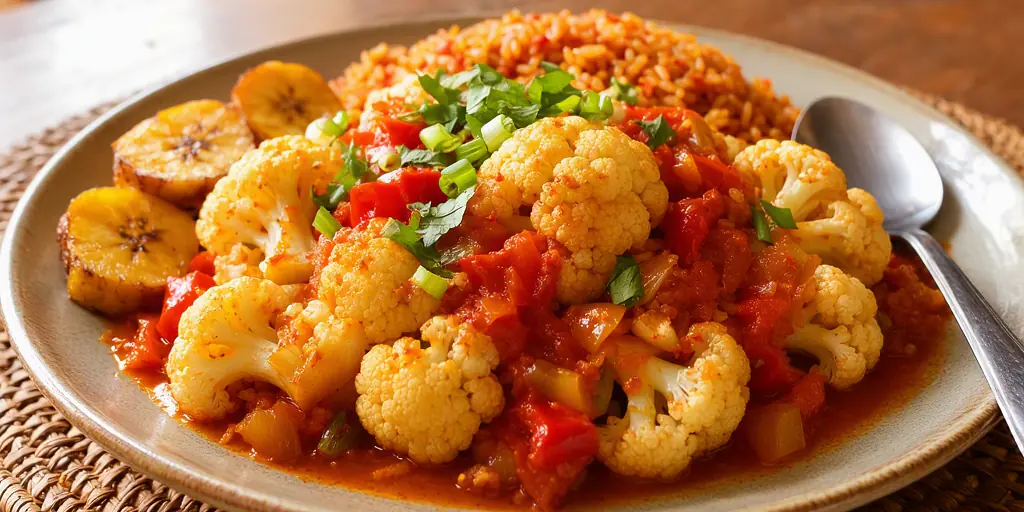
Cut the cauliflower into small florets (tiny “trees”), rinse, and drain well. In a pan, heat a bit of oil and sauté onions, garlic, ginger, and your preferred pepper (atarodo or dry pepper). Add the cauliflower, season with salt, seasoning cubes or powder, and maybe a splash of soy sauce. Stir‑fry on medium‑high heat until it’s slightly browned at the edges but still has some bite. Serve beside:- White rice or jollof rice
- Boiled or fried plantain
- Boiled yam or potatoes
- Pasta or noodles
- White rice or jollof rice
- Stir‑fry it with other vegetables
Cauliflower plays well with carrots, green beans, bell peppers, sweet corn, broccoli, and green peas. A simple mix could be:- Cauliflower + carrots + green pepper + onions
- Lightly seasoned with garlic, ginger, and a bit of black pepper
This colourful stir‑fry is perfect when you need a fast side for rice, spaghetti, or even grilled chicken or fish.
- Cauliflower + carrots + green pepper + onions
- Turn it into “rice” for lighter plates
If you grate or finely chop cauliflower, it can mimic rice/couscous. You simply:- Grate or pulse the florets in a food processor until they look like small grains.
- Stir‑fry with onions, garlic, and mixed veggies, and season like you would fried rice.
Serve it with stew, grilled protein, or as a base for sauce. It’s lighter than regular rice but still feels like a proper meal.
- Grate or pulse the florets in a food processor until they look like small grains.
The key is not to overcook it. Cauliflower turns mushy quickly, so keep the heat moderate to high and cook just until it’s tender and slightly golden.
Where you can find cauliflower in Nigeria
Cauliflower isn’t yet as common as carrots or cabbage, but it’s becoming more visible in Nigerian cities. To find it, think the same way you’d think about hunting for broccoli:
- Major markets
In cities like Lagos, Abuja, and Port Harcourt, check the big produce markets. In Lagos, for example:- The large vegetable sections in markets that stock “English” or salad vegetables are your best bet.
- Ask the traders who already sell lettuce, cabbage, bell peppers, and spring onions if they have cauliflower or can help you locate someone who does.
- The large vegetable sections in markets that stock “English” or salad vegetables are your best bet.
- Neighbourhood markets and mallams
Your regular mallams and neighbourhood vegetable sellers may not have cauliflower every day, but they are key contacts. When you buy carrots, cucumber, cabbage, and green pepper, mention cauliflower too. As more people ask, they start looking out for it when they go to the bigger markets. - Supermarkets and grocery stores
The fresh produce sections of supermarkets often have cauliflower, especially:- Larger chains(Like Spar, Prince Ebeano) with well‑stocked fruit and veg sections
- Smaller “healthy” or “organic” stores that stock imported vegetables
Look around the area where you find broccoli, lettuce, and colourful bell peppers.
- Larger chains(Like Spar, Prince Ebeano) with well‑stocked fruit and veg sections
- Online stores and delivery vendors
In some cities, you can order cauliflower from online grocery platforms or Instagram vendors that source from big markets and deliver to your home. This can save you the stress of going from stall to stall looking for it.
Once you find a good source, you can make it part of your weekly or bi‑weekly shopping routine, just like carrots and cabbage.
Cauliflower and brain health
Beyond being low‑calorie and versatile, cauliflower is powerful when it comes to brain support, especially because of a nutrient called choline.
Here’s how it shows up for your brain:
- Choline for memory and focus
Cauliflower contains choline, a nutrient that helps with brain development, memory, and cognitive performance. It plays a role in forming neurotransmitters, those tiny messengers your brain cells use to talk to each other. When your diet includes enough choline over time, it supports clearer thinking, better concentration, and healthier nerve function. - Antioxidants and inflammation
Just like other cruciferous vegetables, cauliflower is rich in antioxidants and plant compounds that help reduce oxidative stress and inflammation. Long‑term, this kind of support may help slow down brain aging and protect against conditions that affect memory and cognition. - Blood flow and nervous system support
Cauliflower brings in vitamin C, vitamin K, B vitamins, and minerals that support healthy blood vessels. Good circulation ensures your brain cells get the oxygen and nutrients they need, while the B vitamins support your nervous system’s day‑to‑day function.
Think of it this way: each time you add cauliflower to your rice, spag, or Sunday lunch, you’re not just eating “vegetables,” you’re feeding your brain both now and for the future.
How cauliflower “looks like” what it supports
Continuing that beautiful idea that many fruits and vegetables resemble the parts of the body they help, cauliflower fits right in.
- Cauliflower and the brain
When you look at a cauliflower head from above, it has a rounded shape with little folds and clusters, somewhat like the surface of the brain. Underneath, the branching stem system can remind you of how neurons branch out to connect with each other. It’s a lovely visual reminder that this vegetable supports brain and nervous system health. - Cauliflower and lungs
The way the florets branch from the thick stalk can also resemble the branching airways in the lungs. Cauliflower’s antioxidants and anti‑inflammatory properties can play a supportive role in overall respiratory and immune health, even though we don’t treat it like medicine.
Using these visual cues, cauliflower like a brain or lungs, carrots like eyes, walnuts like little brains, makes it easier to teach children, clients, or friends: “This food supports this part of your body.” It doesn’t replace science, but it adds a spiritual and intuitive layer that makes food feel more alive and meaningful.
Simple ways to bring cauliflower into your week
To make cauliflower a normal part of your Nigerian lifestyle instead of a once‑in‑a‑while experiment:
- Start with one familiar dish
For example, commit to making a mixed veggie stir‑fry once a week: cauliflower + carrots + green pepper + onions, served with rice or spaghetti. - Combine it with what you already love
Add cauliflower to:- Fried rice or jollof rice (lightly steamed florets folded in at the end)
- Spaghetti/Indomie or other noodles (toss in steamed cauliflower during the last few minutes of cooking)
- Sunday stew plates (enjoy stir‑fried cauliflower on the side)
- Fried rice or jollof rice (lightly steamed florets folded in at the end)
- Prep ahead
When you get back from the market or supermarket, wash, chop, and store cauliflower florets in an airtight container in the fridge. That way, when you’re tired, all you need to do is toss them in a pan with oil, onions, and seasoning. - Pair it with broccoli
On days when you find both broccoli and cauliflower, mix them in one pan with carrots and peppers. You get colour, texture, and a powerful brain‑loving combination in one easy dish.