
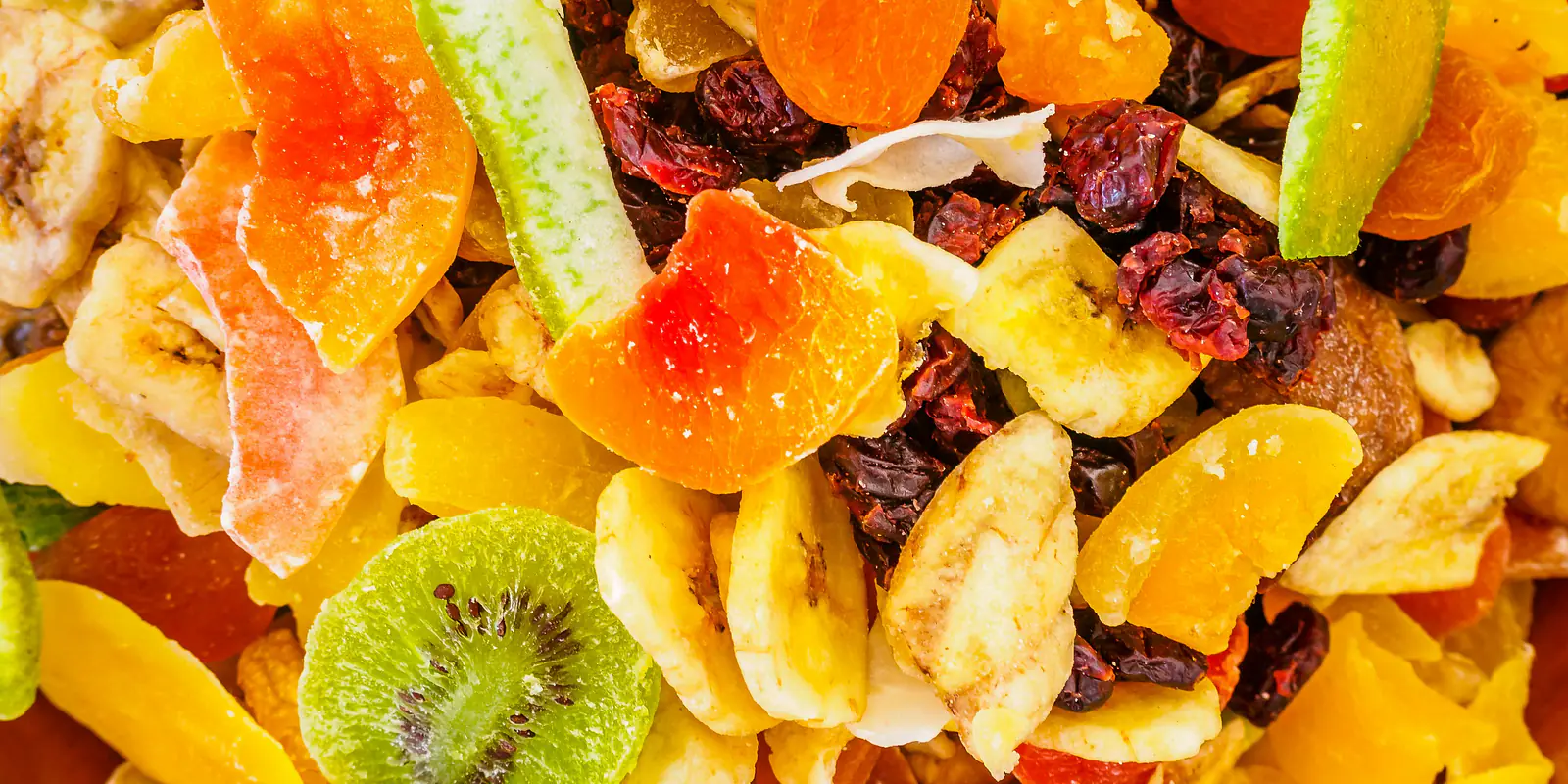
Dehydrated Fruits as Healthy Snacks for Busy 8–5 Professionals
For many working professionals, snacking is a daily necessity, a bridge between meals that keeps energy and focus intact across a demanding workday. Yet most convenient snack options are ultra-processed, high in refined sugar, and nutritionally empty. Dehydrated fruits offer a compelling alternative: naturally sweet, shelf-stable, portable, and backed by a growing body of nutritional science. This article examines why dehydrated fruits deserve a regular spot in every professional's desk drawer.
What Are Dehydrated Fruits?
Dehydrated fruits are fresh fruits from which most of the water content has been removed through sun-drying or mechanical processes such as hot-air drying, infrared drying, or vacuum drying. The result is a lightweight, concentrated product that retains most of the fruit's original fiber, minerals, and phytochemicals. Because water is removed, nutrients are significantly concentrated, dehydrated foods can provide three to four times more energy per gram than their fresh equivalents, making portion awareness essential.
Nutritional Benefits
Antioxidants and Phytochemicals
Dehydrated fruits are rich in bioactive phytochemicals including phenolics, flavonoids, carotenoids, proanthocyanidins, and stilbenes. Research confirms that the antioxidant activity of dried fruits is often higher than in fresh counterparts due to the concentration effect of drying. These antioxidants scavenge free radicals and reduce oxidative stress linked to chronic disease.
Dietary Fiber
Dried fruits are a concentrated source of dietary fiber, ranging from 3.7 g per 100 g in raisins to 9.8 g per 100 g in figs. Fiber promotes digestive regularity, reduces LDL cholesterol, and supports satiety, which helps busy professionals avoid overeating at mealtimes. A standard 40 g serving of dried figs provides 3.9 g of fiber, while the same serving of prunes or apricots provides approximately 2.9 g, meaningful contributions toward the recommended daily intake of 25–38 g.
Blood Sugar and Diabetes Risk
A common concern about dried fruits is their concentrated sugar content. However, a randomized acute-feeding trial published in Nutrition & Diabetes found that dates, apricots, raisins, and sultanas all had a low to medium glycemic index (GI), below that of white bread when consumed alone. When paired with high-GI carbohydrates, they actually reduced the overall blood glucose response. A broader study analyzing UK Biobank Genome-Wide Association Study (GWAS) data from approximately 500,000 participants, published in BMC Nutrition & Metabolism, found that increasing dried fruit intake by approximately 1.3 pieces per day was associated with a 60.8% lower risk of type 2 diabetes. The study attributed this to the fiber content, flavonoids, and anti-inflammatory properties of dried fruits.
Why They Work for the 8–5 Professional
Dehydrated fruits are uniquely suited to the demands of office life. They require no refrigeration, produce no mess, and fit easily into bags, desk drawers, or briefcases. Unlike fresh fruit that can bruise or spoil by midday, dried fruit remains snack-ready throughout the week. Their long shelf life also makes them available year-round at relatively consistent quality and cost, a practical advantage for professionals in markets where fresh fruit availability fluctuates seasonally.
Research supports the link between desk-accessible fruit and workplace performance. A trial conducted by Fruitful Office in partnership with the Ethical Property Company, involving 320 office workers in London, found that providing fruit at employees' desks increased productivity by more than 10%, boosted energy levels in nearly half of participants, and improved the quality of working life for over 80% of respondents.
Beyond convenience, dehydrated fruits positively influence gut microbiota. A 2023 narrative review in Nutrients by Alasalvar et al. found that raisins, cranberries, dates, and prunes all affected gut microbiota composition in potentially beneficial ways, enhancing populations of Bifidobacteria, Faecalibacterium prausnitzii, and Lactobacillus while reducing inflammatory or pathogenic strains. A healthy gut supports immune function and mood regulation, both critical for sustained professional performance.
Practical Tips for Office Snacking
Portion wisely: A standard serving is approximately 30–40 g (about 1/4 cup). Pre-portion servings at the start of the week to avoid mindless overconsumption.
Pair with protein or healthy fats: Combining dried fruit with almonds or walnuts moderates the glycemic response and provides lasting satiety.
Read labels carefully: Many commercial dried fruits contain added sugar, sulfite preservatives, or oil coatings. Choose products labeled "no added sugar" and "unsulfured".
Drink water: The concentrated fiber content of dried fruits can cause digestive discomfort if fluid intake is insufficient.
Time your snack: Consuming a small serving between 10–11 a.m. or around 3 p.m. helps offset the common mid-morning and mid-afternoon energy dips.
Dehydrated fruits combine nutritional density, practical convenience, and evidence-based health benefits in a single snack format that is perfectly suited to the 8–5 professional lifestyle. From their antioxidant and fiber content to their low glycemic impact and gut-health benefits, the science firmly supports their inclusion in a working professional's daily nutrition strategy. The key is choosing minimally processed varieties, controlling portions, and pairing them wisely with complementary foods.
References
Alasalvar, C., Chang, S. K., Kris-Etherton, P. M., Sullivan, V. K., Petersen, K. S., Guasch-Ferré, M., & Jenkins, D. J. A. (2023). Dried fruits: Bioactives, effects on gut microbiota, and possible health benefits, An update. Nutrients, 15(7), 1611. https://doi.org/10.3390/nu15071611
Dluxe Fruits. (2026, February 8). Fiber content in dried fruits: Health benefits explained. https://dluxefruits.com/fiber-content-dried-fruits/
Fruitful Office. (2013, August 1). Research reveals that fruit at work boosts productivity, energy and wellbeing. https://fruitfuloffice.co.uk/blog/highlights/research-reveals-that-fruit-at-work-boosts-productivity-energy-and-wellbeing-3/
International Nut and Dried Fruit Council. (2018, December 10). Dried fruit may help lower blood sugar response. https://inc.nutfruit.org/dried-fruit-may-help-lower-blood-sugar-response-2/
Laumiere Gourmet. (2022, July 11). 5 dry fruit snacks to keep at your desk while at work. https://laumieregourmet.com/blogs/news/5-dry-fruit-snacks-to-keep-at-your-desk-while-at-work
Mehrvan Fruits. (2025). 5 healthy dried fruit snack ideas. https://mehrvanfruits.com/healthy-dried-fruit-snack-ideas/
Science Publishing Group. (n.d.). Dried fruits: Brief characteristics of their nutritional values. https://sciencepg.com/article/10000576
Sierra Fruit Snacks. (2021, July 25). Dehydrated foods: Concentrated nutrients and more energy [Facebook post]. https://www.facebook.com/sierrafruitsnacks
South Florida Reporter. (2024, July 19). Dried fruit consumption linked to lower type 2 diabetes risk, study surprisingly finds. https://southfloridareporter.com/dried-fruit-consumption-linked-to-lower-type-2-diabetes-risk-study-surprisingly-finds/
Tong Garden. (2024, March 23). Dried fruits that are great workplace snacks. https://shop.tonggarden.com.my/blog/dried-fruits-that-are-great-workplace-snacks.html